IBBC at the Conservatives Conference
In clear contrast to Labour’s conference, the Conservative conference had a very different content, tone and attendee focus. From the start the key panels and themes were around the economy, business, defence and foreign affairs, with a strong emphasis on the city, entrepreneurs, investment, and restoring the UKs competitive advantage. Delegates wore business attire and the emphasis was on 30–60-year-old working people. The party is reinventing itself, while reverting to classic conservative themes of fiscal control, especially growth of welfare bills and debt, reward for investment risks and hardworking people, competition and mechanisms for growth and rebooting the economy.
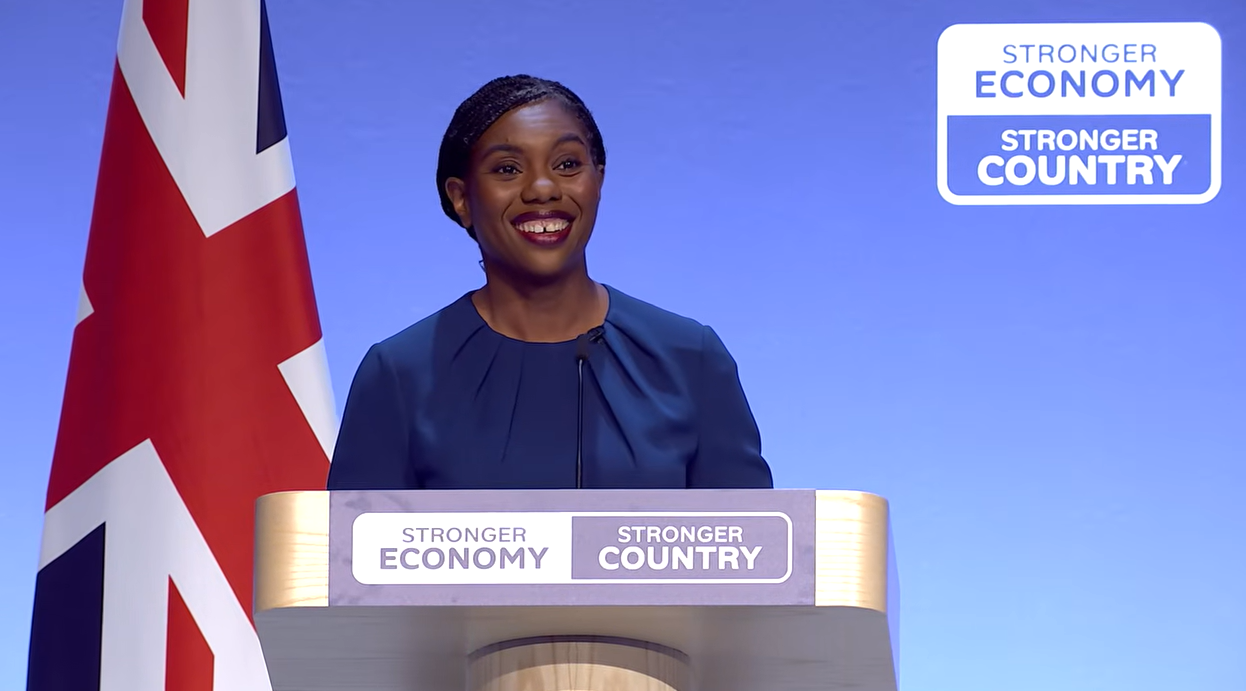
 Kemi Badenoch is undisputed leader, with full backing of delegates, and third-party endorsements from Matthew Syaed, who made an exceptional philosophical speech on Compassion and not bailing out capitalism. Jeremy Clarkson, stood up for the farmers. Andrew Griffiths the new Shadow chancellor was high profile and we saw him at the British Chambers of Commerce, at The Growth Commission discussions, where he laid out the principals of deregulating businesses, encouraging more risk taking investment, reducing various taxes over time and cutting spending on welfare and ‘neets’ especially, In general it’s about tough love, to encourage the million neets into work and encouraging entrepreneurs to stay and invest in the UK
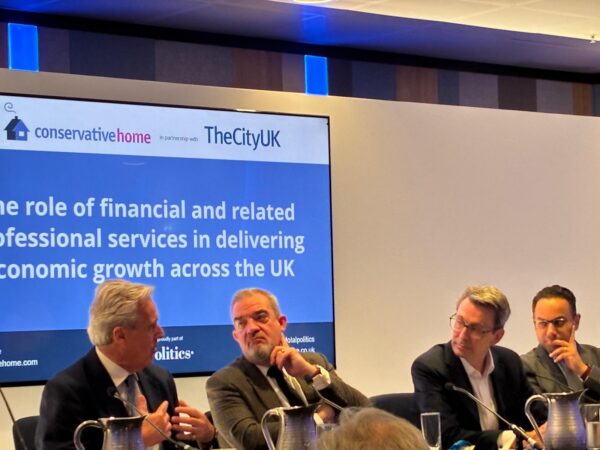
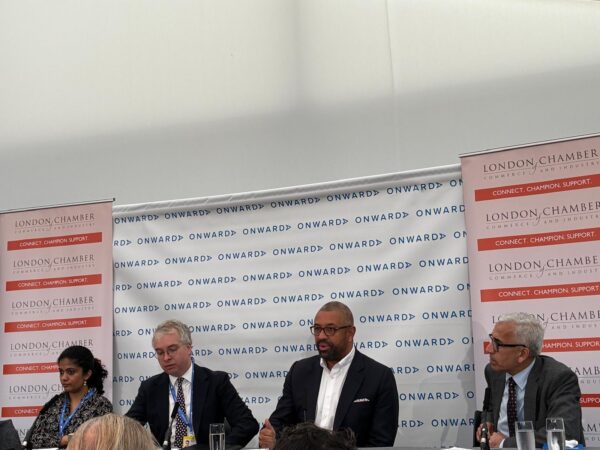 James Cleverly, the mayoral candidate continued this theme, adding the need to build housing for London’s young workers and ensure Infrastructure works well, as London is competing with Dubai, Singapore, Paris and Berlin, not with Manchester for business. He made the point that when London flourishes, it benefits the whole of the UK, and London is in danger of declining under Labour. The City UK and Mark Garnier, shadow city minister, discussed the right kind of deregulation, balanced with the UK’s position as a safe well-regulated place for business. Surprisingly the FCA said they can argue for less regulation in places to encourage growth.
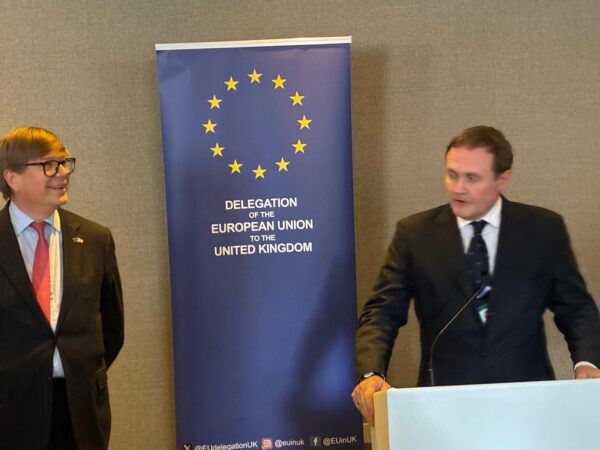
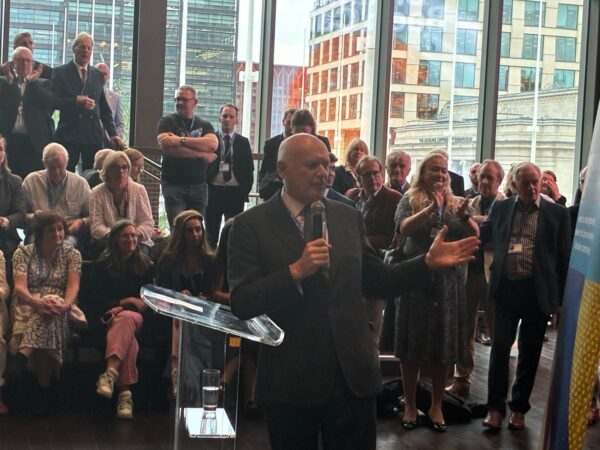
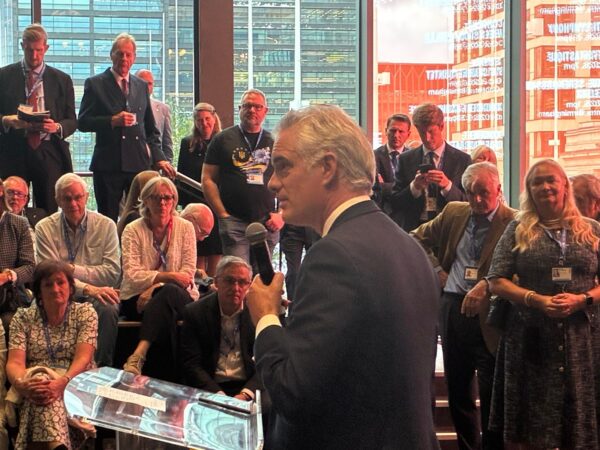
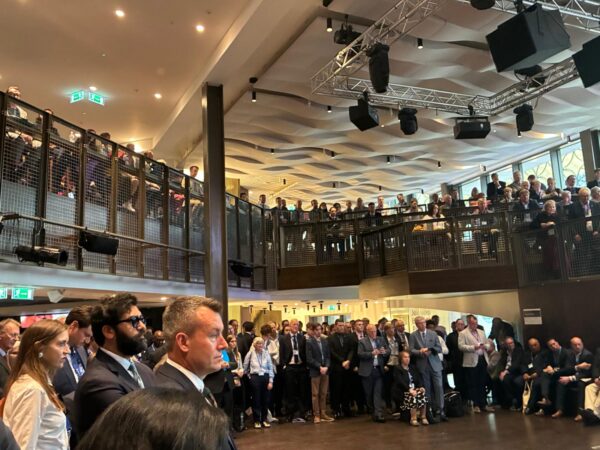
The foreign affairs and defence team attended a big rally for Ukraine, where Tom Tugendhat, shadow foreign secretary, said that Ukraine is absolutely a conservative issue protecting individuals, families and communities and its essential we protect our own borders from Russian aggression. James Cartilige the Shadow defence minister announced a commitment to UK’s defence dome, and defence spending to 3% by 2030, while Ian Duncan Smith rallied everyone behind Ukraine and invited us to discuss UKDF with him. Rada MP Yegor Cherniiv spoke passionately about the need to provide Ukraine with the weapons to defence itself and the rapid innovation required to beat Russian drones and scale up with partners like the UK. Jack Lopresti, former MP brought two Azof battalion directors to discuss innovation on the battlefield and Russian torture of POWs, while Brooks Newmark and Bob Seely presented their British Drone company Trypillian,s capabilities in Ukraine.
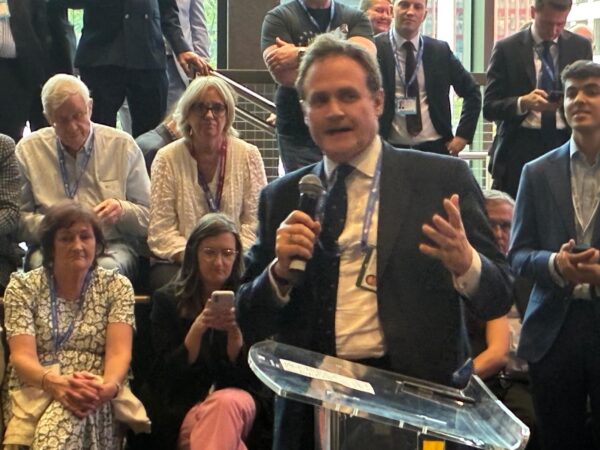
Tom Tugendhat also spoke at the EU Ambassadors reception, where he encouraged companies to come to the UK to develop innovation, and the Ambassador spoke warmly about working and trading with the UK.
CMEC, Conservative Middle East council, had a full houses as they discussed Islam (with Lena Khatib, who made the distinction between Islam and Islamists, and a session on Iran, with Nicholas Hopton, who said that Trump failed to consult people who know how Iran works and think before the attacks, and had a disastrous war that affects everyone, not least perceptions of USA and Trump’s own position in the polls. The Iranian regime is resilient and it’s hard to work out what will emerge from it, but that the Gulf states have been traumatised by Iran’s unexpected attacks, especially since they have used diplomacy to manage relations. The way forward now is for the USA to settle with Iran and reduce primary sanctions and revisit the MOU from the summer, otherwise the war will continue.
 Finally, John Curtice the Psephologist pointed out that while Kemi is seen as a strong leader and respected, has pulled ahead from the party, which needs to make up with the public. Reform is also seen as the biggest issue for Conservatives with their deeply conservative leave voters who are economically to the left of the Conservatives. While progress has been made, the party needs to make bigger inroads among the public in general to be credible as a government.